
Technology & Innovation
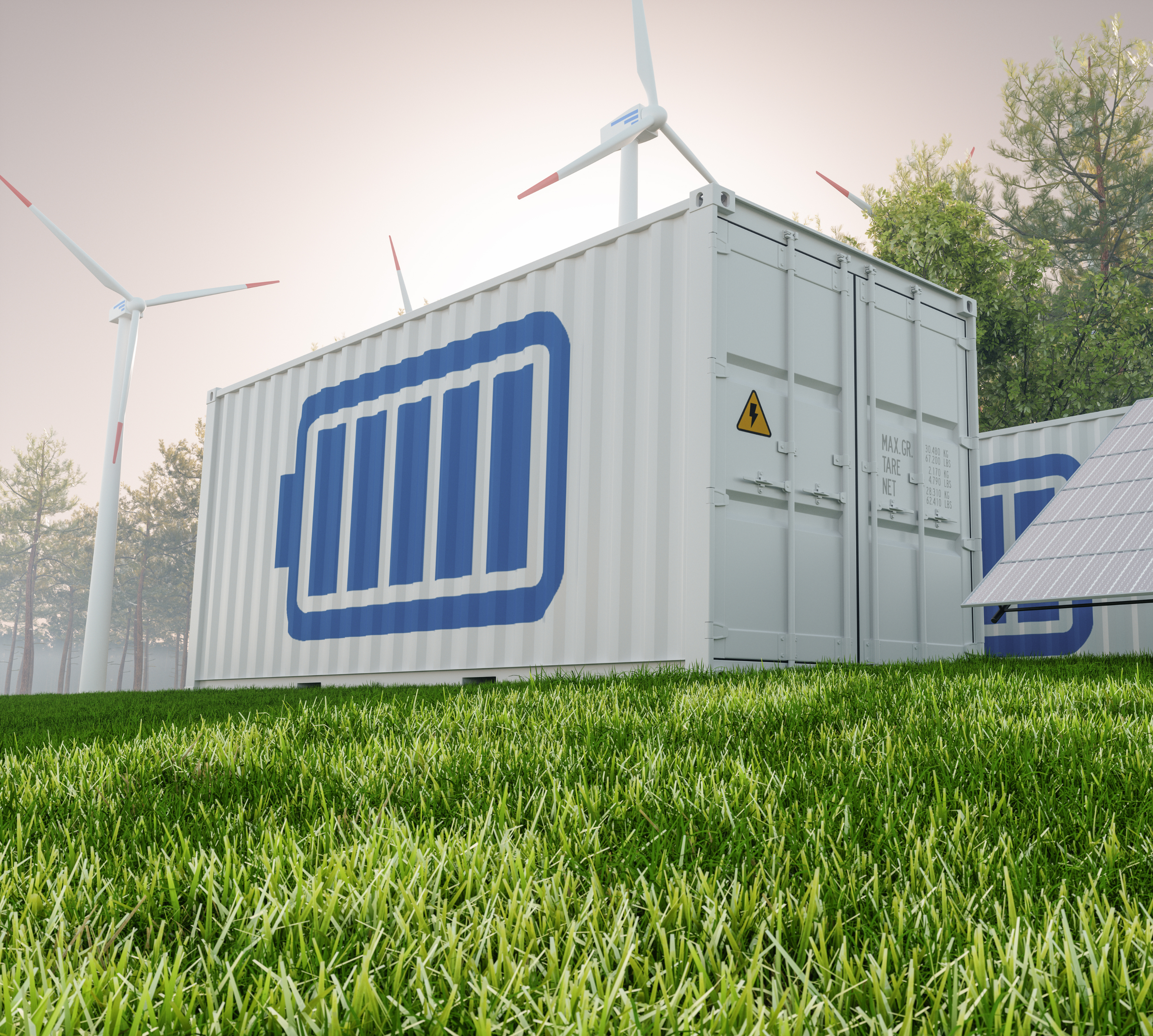
Beyond Convention: Is It Time for Battery Storage?
As power needs grow complex, BESS is the next logical step in India's clean energy journey.
08 Jul 2025
The Growing Importance of Battery Storage in 2025
India is at a crucial inflection point in its energy transition. With over 220 GW of non-fossil fuel capacity as of March 2025, energy storage integration is essential for ensuring reliability and grid stability. To meet the projected 400 GWh of storage needed by 2031-32, battery storage is not just viable—it's imperative.
Why BESS is Gaining Momentum
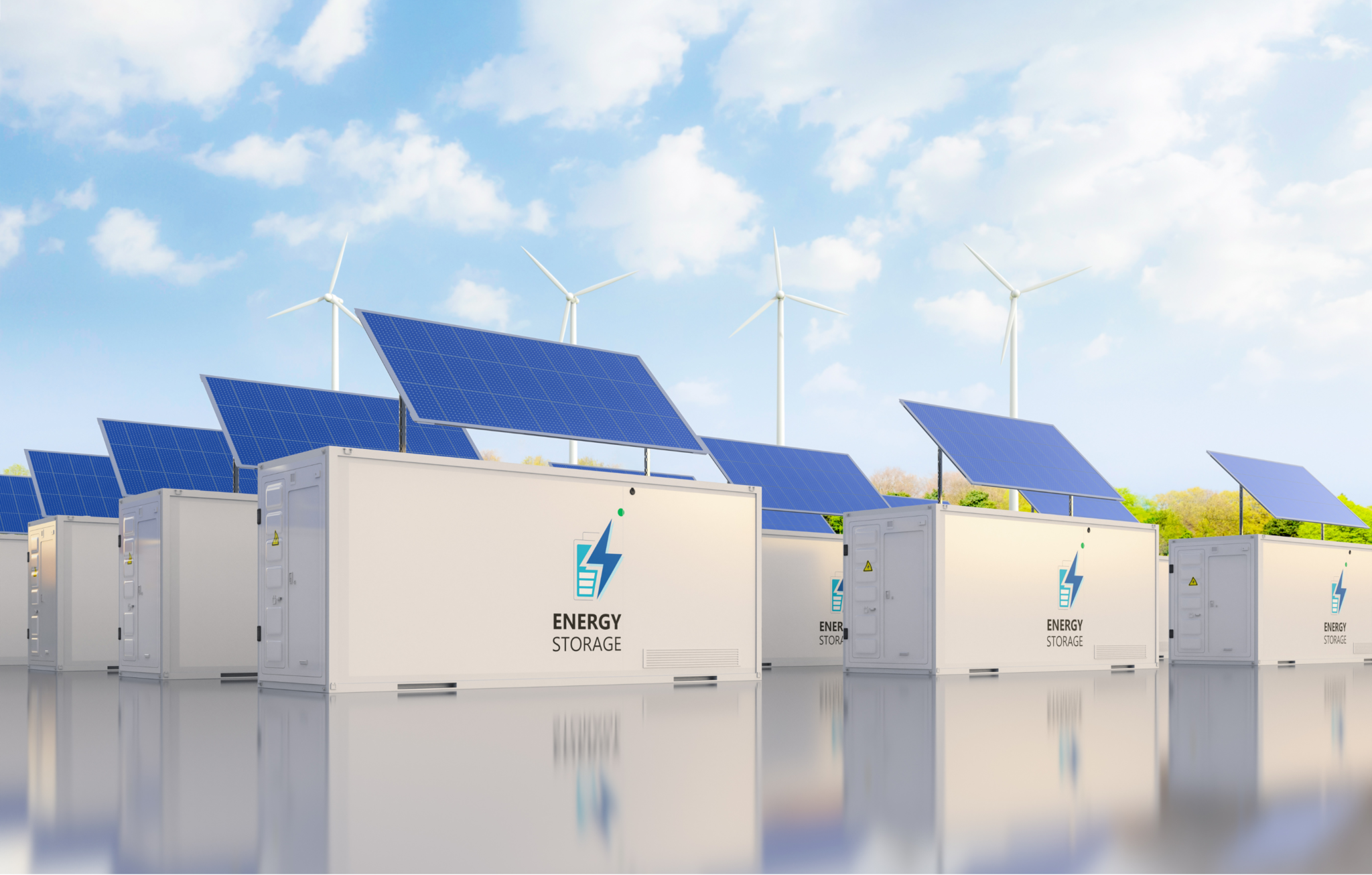
- Grid Stability: Ensures 24×7 power by storing excess generation and discharging during peak demand.
- Renewable Penetration: Enables 'energy shifting' of daytime solar to nighttime consumption.
- Cost Optimization: Allows for energy arbitrage—storing cheap solar power for use during high-tariff periods.
Evaluating Battery Storage Suitability for Your Business
- Consumption Patterns: Strategic energy arbitrage can significantly lower overall energy expenditure by managing peak demand charges.
- Reliability & Quality: BESS provides instantaneous backup power, essential for data centers and pharmaceuticals.
- Sustainability Goals: Transitioning from diesel generators helps meet net-zero targets and mitigates environmental risks.
- Financial ROI: Falling battery costs are making investment economics increasingly attractive in 2025.
Technological Advancements Driving Adoption
New battery technologies are rapidly emerging. Sodium-ion batteries, for instance, offer high efficiency at a lower cost and reduce dependency on imported lithium and cobalt. Advanced Chemistry Cell (ACC) technologies under the PLI scheme are further pushing domestic manufacturing.
Policy Support: What’s Driving Battery Storage in India
India’s aggressive storage integration is backed by forward-looking policy frameworks:
| Initiative | Impact |
|---|---|
| Energy Storage Obligation (MOP) | 1% in FY24, increasing to 4% by FY30. |
| Viability Gap Funding (VGF) | ₹37.6 billion to support 13.2 GWh of BESS. |
| ISTS Charge Waiver | No transmission charges for BESS/PSP until June 2025. |
Challenges to Be Aware Of
Despite its promise, battery storage comes with challenges :
- High upfront costs for lithium-ion systems.
- Dependence on critical minerals from sensitive regions.
- Battery disposal and safety concerns, like thermal runaway
- Grid readiness and interconnection delays, particularly in older substations
Conclusion: Is It Time for Your Business to Go Beyond the conventional?
Yes—2025 is the tipping point.
While solar remains the cornerstone of India’s renewable journey, battery storage is fast becoming its most important ally. For C&I businesses, BESS offers operational resilience, cost savings, and a hedge against grid volatility. With strong policy support, falling costs, and rising ESG pressures, now is the time to evaluate and embrace storage-backed solutions.
Early adopters won’t just reduce their carbon footprints—they’ll secure energy leadership for the future.
This is a rapidly evolving space, and we’re right at the forefront. Get in touch at contact@hexaclimate.com—we’re here to power your journey toward net zero.
www.hexaclimate.com – Your Net-Zero Partner!